RRD Consumer Research: Sustainable Packaging Should Solve Problems, Not Create New Ones
11/4/2026
- Consumer performance priorities: RRD research shows that over 70% of shoppers demand sustainable packaging maintain existing shelf life, product protection, and price points.
- Functional design optimization: Brands should work to eliminate unnecessary materials, design for easy opening, and resolve bulky post-use disposal frustrations.
- Simplified recycling execution: Clear labeling and single-material formats resolve consumer confusion regarding packaging separation and proper recycling disposal.
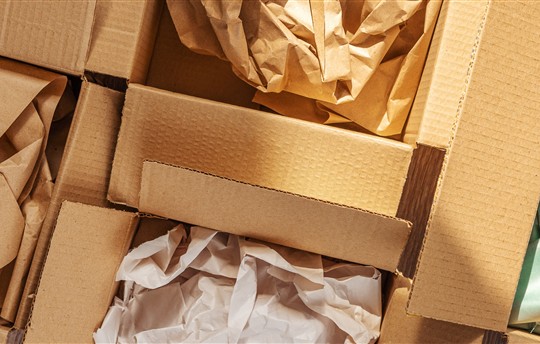
Sustainable packaging can help brands reduce environmental impact and meet evolving consumer expectations. However, making packaging more environmentally responsible shouldn't mean making it less functional.
RRD's latest research, The 2026 Sustainable Packaging Consumer Report, shows that consumers have clear expectations as brands transition to more sustainable packaging. They want environmental improvements without sacrificing the performance, convenience, and affordability they already value.
The survey also highlights common packaging challenges. Bulky plastic containers and confusing recycling instructions point to areas where packaging design can improve the consumer experience.
Protect what consumers already value
Before exploring new materials or packaging formats, brands need to understand which features consumers consider essential. When favorite brands switch to plastic-free packaging, RRD's research found:
- 76% prioritize maintaining the same product shelf life
- 73% prioritize maintaining product protection
- 69% prioritize avoiding price increases
These findings reinforce the need to balance environmental goals with practical performance requirements and price expectations. Sustainable materials may offer environmental benefits, but those advantages lose value if the packaging fails to protect the product or preserve its shelf life. Brands can develop solutions that advance sustainability and preserve the qualities consumers depend on.
Turn everyday frustrations into packaging opportunities
Beyond protecting product performance, brands can improve the packaging experience itself. Consider rigid plastic clamshells, which offer product visibility and protection but can create post-purchase challenges.
RRD's research found that 59% of consumers are annoyed when rigid plastic packaging, such as clamshells, takes up space in their trash. Disposal also influences consumer satisfaction, with 76% expressing satisfaction when they can crush, fold, or flatten packaging to reduce its volume.
These findings suggest that packaging design should account for the entire consumer experience, including what happens after the product is used. Reducing unnecessary materials, simplifying packaging structures, and exploring space-efficient formats can help brands address these frustrations.
Opening a package shouldn't be a struggle, either. Among Baby Boomers, 65% prioritize ease of opening, highlighting the importance of accessible packaging design. Sustainable packaging delivers additional value when it's easier to handle, open, store, and recycle.
Make recycling simpler and more intuitive
Even packaging designed for recyclability can frustrate consumers when they don't know what to do with it. According to the report, 40% of consumers are confused about whether they can recycle an entire package or need to separate its components.
That uncertainty gives brands a chance to rethink complex packaging formats. Reducing mixed materials and providing clear recycling instructions can help consumers know how to dispose of packaging properly.
4 practical steps for packaging decision makers
The research indicates several ways brands can pursue sustainability and improve the consumer experience.
- Evaluate performance before transitioning materials. Test sustainable alternatives against existing standards for product protection, shelf life, usability, and cost.
- Eliminate unnecessary packaging. Review boxes, inserts, plastic wrap, and excess space for opportunities to reduce material use. More than half (53%) of surveyed consumers want brands to eliminate unnecessary packaging components and empty space.
- Design beyond the point of purchase. Consider how consumers interact with packaging, from opening and storage to what happens after use. Identify ways to simplify these interactions.
- Make recycling easy. Explore packaging structures that simplify material separation and provide clear, accessible disposal instructions.
Sustainability and functionality can work together
The transition to more sustainable packaging doesn't have to mean sacrificing performance or convenience. By understanding consumer priorities and addressing usability challenges, brands can improve packaging, advance environmental goals, and build stronger customer relationships.
At RRD, we recognize that successful packaging innovation must deliver value for both brands and consumers. Through thoughtful design, material innovation, and engineering expertise, we help brands pursue sustainability goals and maintain the functionality consumers expect.
Explore additional findings in RRD's 2026 Sustainable Packaging Consumer Report.